EUR
EUR Canada
 Japan
Japan


Sperm whale, orca, and narwhal now protected from UK ivory trade – Oceanographic Magazine

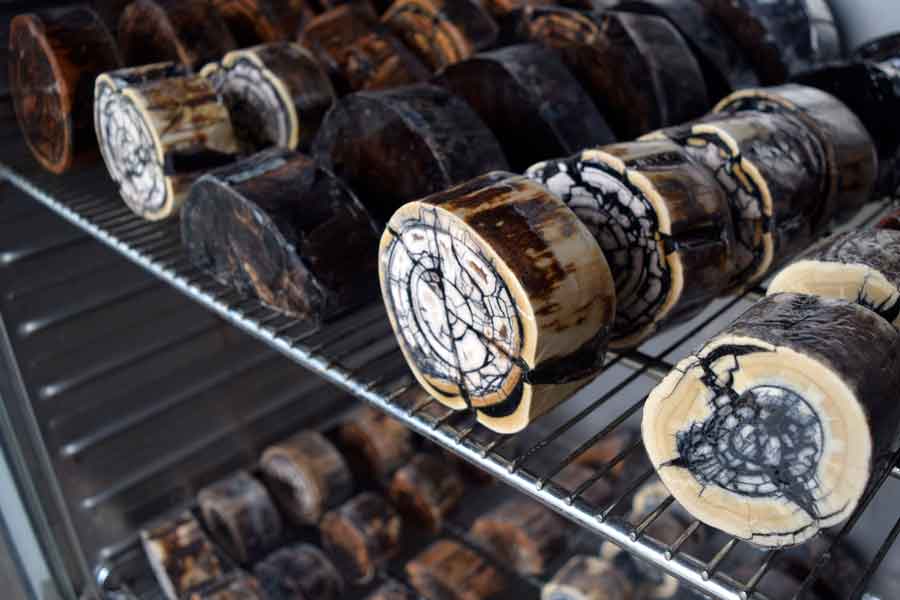
The UK’s Ivory Act will now ban the import and export, as well as the trading of any items containing ivory from sperm whale, orca, narwhal, and hippopotamus, marking a considerable expansion of a regulation that previously only covered ivory from elephants.
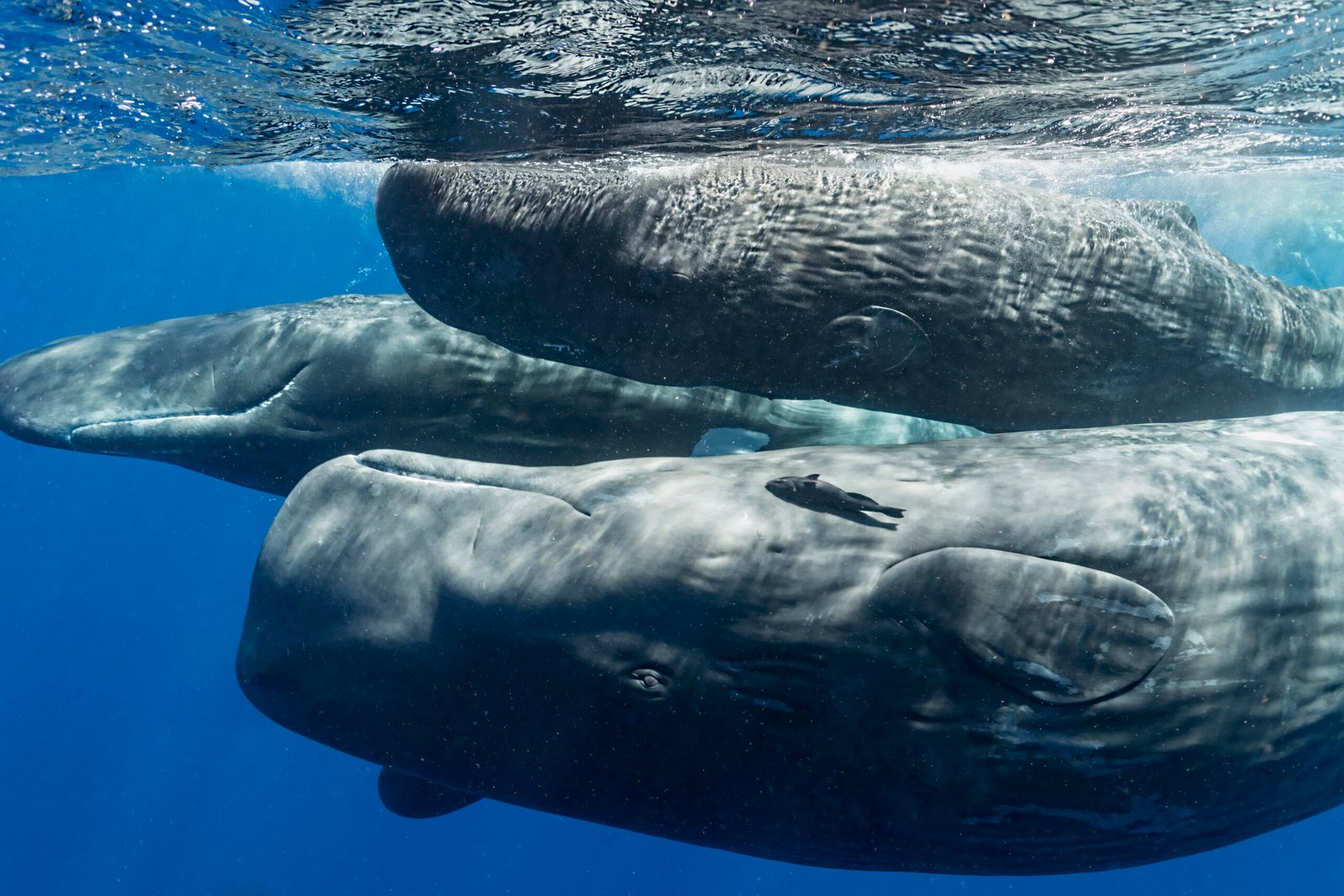
Sperm whales, orcas, and narwhal are among the four new species to receive increased protection from the UK’s domestic ivory trade, with expanded measures in place to impose an unlimited fine or a five year prison sentence for anyone found guilty of involvement.
The UK’s Ivory Act will now ban the import and export, as well as the trading of any items containing ivory from these species, marking a considerable expansion of a regulation that previously only covered ivory from elephants.
The new measures also cover items containing ivory from hippopotamus.
Closing the domestic ivory market is a critical part of the UK’s global conservation efforts. The hippopotamus is the species most at risk of extinction from the trade in its ivory after elephants. The UK’s Ivory Act is also currently one of the toughest bans on ivory sales in the world. Anyone found guilty of breaching the ban faces tough penalties, including an unlimited fine or up to five years in prison.
Sperm whales, orcas, narwhal, and hippopotamus are all listed under the Convention on International Trade in Endangered Species of Fauna and Flora (CITES) and are all already threatened by climate change. Poaching and trading in the ivory found within their teeth and tusks has the potential to exacerbate such threats, making their long-term survival less likely.
Mary Creagh, international nature minister, said: “Today is an important moment for all wildlife lovers. The poaching of these wonderful animals for their ivory is sickening and this government will do all we can to end this horrible trade.
“The Ivory Act is one of the toughest bans in the world. This new government is showing global leadership by enshrining these protections into law to tackle the poaching of these iconic animals.”
High Seas Treaty hits historic 50 ratifications… but still no UK
Ocean acidification the ‘ticking time bomb’ worse than first feared
Sea Turtle Week celebrates connection, conservation, and hope
France’s ‘lacklustre’ bottom trawling plans “a missed opportunity”
UK government claims “overdue bottom trawling ban” will benefit all
To implement and strengthen the regulation, the UK will be working with partners around the world to build on a global ambition for nature and accelerate the delivery of the UN Global Biodiversity Framework to halt and reverse the loss of wildlife internationally. Part of these plans include the appointment of a new International Nature Envoy for the UK government, Ruth Davis, a former environmental campaigner who held senior roles at charities including Greenpeace, the RSPB, and Plantlife.
While ivory from hippopotamus, sperm whale, orca, and narwhal forms a significantly smaller part of the UK ivory trade that that from elephants, it’s anticipated that the extension of the Act should help to improve its enforcement and reduce the opportunity for illegally-obtained elephant ivory to be covertly sold.
There have been concerns that, since the full implementation of the ban on the trade of ivory obtained from elephants in 2022, other species would face increased pressures.
While walrus was originally considered among the species to be added to the Ivory Act, walrus ivory will continue to be restricted under existing seal products legislation which covers products from seals, walruses, and sea lions including fur, blubber, tusks, or oil.
Born Free, a conservation organisation which has been campaigning for greater protections for wild animals from the ivory trade for decades, played an instrumental part in the expansion of the UK’s Ivory Act.
“Encouragingly, our recent investigations into the online ivory trade suggest the Ivory Act has significantly reduced the number of elephant ivory items being listed on popular auction websites,” said Born Free’s policy support officer, Frankie Osuch.
“So, there appears to be a high level of compliance with the Act and its exemption criteria. We hope that today’s extension will further strengthen the Ivory Act and we’ll continue to monitor its impact.”
Click here for more from the Oceanographic Newsroom.
"*" indicates required fields
The worlds biggest ocean news.
Free to your inbox.
Every weekday.
Enjoy so much more from Oceanographic Magazine by becoming a subscriber.
A range of subscription options are available.
Receive the latest from Oceanographic and get 10% off your first order.
Copyright © 2025 CXD MEDIA LTD.
All rights reserved
Enjoy 30% off your first year when joining as an annual digital subscriber!